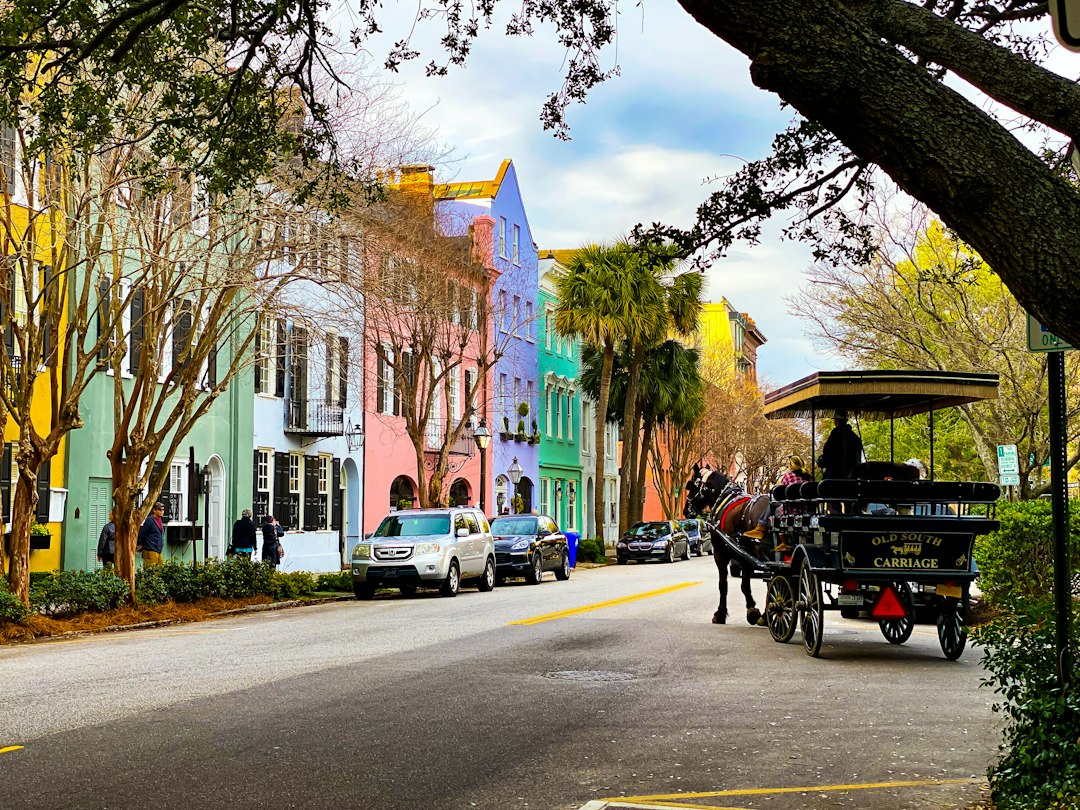
Charleston, South Carolina has quietly become one of the most sought-after retirement destinations on the East Coast. With its mild climate, rich history, world-class dining, and a real estate market that still offers genuine value compared to coastal metros like Sarasota or Hilton Head, it checks nearly every box for retirees ready to make a move. But choosing the right neighborhood, the right community type, and the right home is a decision that deserves more than a brochure from a single developer. This guide breaks down what retirees actually need to know before buying in a Charleston retirement community, from neighborhood comparisons to tax advantages to the questions no marketer will think to ask.
Why Charleston Is One of the Best Places to Retire in South Carolina
Charleston consistently ranks among the top retirement destinations in the Southeast, and the reasons go well beyond aesthetics. The climate delivers mild winters and warm, extended springs and falls, meaning outdoor living is genuinely year-round. The region’s healthcare infrastructure is exceptional, anchored by the Medical University of South Carolina (MUSC), one of the most respected academic medical centers in the South, along with Roper St. Francis Healthcare and a growing network of specialist clinics across Mount Pleasant and West Ashley.
From a financial perspective, Charleston offers meaningful affordability relative to comparable coastal cities. Median home prices in the Lowcountry are substantially lower than equivalent markets in coastal Florida or North Carolina’s Research Triangle, and South Carolina’s tax environment makes the numbers even more attractive for retirees on fixed incomes.
Charleston vs. Mount Pleasant vs. West Ashley: Which Area Is Best for Retirees?
This is the comparison most retirement community marketing sites skip entirely. Here is a practical side-by-side breakdown of the three primary areas retirees consider:
Downtown Charleston
Downtown offers walkability, historic architecture, and unmatched cultural access. Retirees who want to be steps from the Charleston City Market, King Street dining, the Gaillard Center, and waterfront parks will find downtown compelling. The tradeoff is price: single-family homes and condos in the peninsula carry a premium, and 55+ communities are limited. It suits retirees who prioritize lifestyle over square footage.
Mount Pleasant
Mount Pleasant is the most popular destination among retiring homebuyers in the Charleston metro. It combines suburban comfort with easy access to Sullivan’s Island and Isle of Palms beaches, top-rated dining along Coleman Boulevard, and proximity to MUSC’s East Cooper Medical Center. Home prices in Mount Pleasant’s active adult communities typically range from the mid-$300,000s to well over $600,000 depending on waterfront access and community amenities. It is a strong fit for retirees who want activity, convenience, and long-term property value.
West Ashley
West Ashley offers the most accessible price points for retirees on tighter budgets. Communities here tend to feature larger lots, quieter surroundings, and good access to the Ashley River and nearby state parks. It is a practical choice for buyers who want a comfortable retirement lifestyle without stretching their budget. James Island, just adjacent, offers a similar character with a strong sense of local community identity.
South Carolina Retirement Tax Advantages Every Buyer Should Know
This is one of the most important factors in the retirement relocation decision, and it is almost never mentioned in community marketing materials. South Carolina offers a genuinely favorable tax environment for retirees:
- Social Security income is fully exempt from South Carolina state income tax.
- Retirees aged 65 and older receive a deduction of up to $15,000 on other retirement income, including pensions and IRA distributions.
- South Carolina’s property tax system includes a Homestead Exemption for residents 65 and older, exempting the first $50,000 of a primary home’s fair market value from property taxes.
- The state has no estate tax or inheritance tax.
- Overall property tax rates in Charleston County are moderate by national standards, particularly for owner-occupied primary residences.
For a retiree moving from a state like New York, New Jersey, or California, the combined tax savings can be substantial enough to meaningfully change monthly cash flow. This is worth modeling carefully with a financial advisor before making any offer.
Outdoor Living and Recreation for Retirees in Charleston
The outdoor lifestyle in the Lowcountry is a genuine daily advantage, not just a marketing bullet point. Charleston-area retirees have access to kayaking and paddleboarding on the Wando and Ashley rivers, fishing off the numerous public docks and piers, and some of the most scenic golf courses in the Southeast. Kiawah Island’s Ocean Course is world-famous, but there are dozens of accessible courses throughout the metro suited to all skill levels.
Walking and biking trails near retirement communities in Mount Pleasant connect to the Ravenel Bridge, one of the most iconic pedestrian routes in the state. West Ashley’s Greenway provides miles of paved trail through wooded corridors. For retirees who want to stay active without battling heat, the mild shoulder seasons from March through May and September through November are ideal.
History, Culture, and Culinary Scene Near Charleston Retirement Communities
Few American cities offer the density of historic and cultural assets that Charleston does within easy reach of its retirement communities. The Historic District contains antebellum architecture, the Charleston Museum (the oldest in the country), the Gibbes Museum of Art, and the Spoleto Festival USA, which draws world-class performing arts each spring. Retirees who value intellectual and cultural enrichment will find no shortage of ways to fill their calendar.
Charleston’s culinary scene has received national recognition for years, and it remains one of the city’s strongest lifestyle draws. From James Beard Award-winning restaurants on upper King Street to the beloved Saturday Farmers Market at Marion Square, food and community intersect in meaningful ways here. Mount Pleasant’s dining corridor along Coleman Boulevard and Shem Creek offers excellent waterfront options just minutes from most retirement communities in the area.
Retirement Community Home Buying Checklist: What to Ask Before You Offer
Most retirees buying into a 55+ or active adult community in Charleston are making one of the largest financial decisions of their lives. Here is a practical checklist of questions to work through before submitting any offer:
- What does the HOA fee cover, and what is excluded? (Exterior maintenance, landscaping, amenities, insurance?)
- What is the HOA’s reserve fund balance, and when was the last reserve study conducted?
- Are there any pending special assessments?
- What are the community’s age verification rules, and how are exceptions handled for younger family members?
- Are rentals permitted, and under what conditions? This affects resale flexibility.
- What is the pet policy?
- Has the community had any HOA litigation in the past five years?
- What are the restrictions on home modifications, exterior paint, landscaping, and parking?
- How financially stable is the developer or management company if the community is newer?
- What are the community’s rules around short-term rentals, which can affect neighborhood character?
A local real estate agent with experience in Charleston’s 55+ communities can help review HOA documents and flag anything unusual before a buyer is locked into a contract.
Do Retirement Community Homes Hold Their Value in Charleston?
This is a question retirees ask far less often than they should. The short answer is: generally yes, but with nuance. Charleston’s overall real estate market has shown strong long-term appreciation, driven by population growth, limited buildable land on the peninsula and barrier islands, and sustained demand from out-of-state buyers.
Within 55+ communities specifically, resale dynamics depend on a few factors. Communities with strong amenity packages, well-funded HOAs, and desirable locations (particularly in Mount Pleasant) tend to hold value well. Communities with deferred maintenance, aging infrastructure, or high HOA fees relative to market norms can see slower appreciation. Buyers should look at comparable sales within the community over the past three to five years, not just the broader market, before drawing conclusions about appreciation potential.
One additional consideration: 55+ age restrictions limit the buyer pool at resale. This is not necessarily a problem in a market with strong retiree demand like Charleston, but it is worth factoring into a long-term financial plan.
A Local Agent’s Honest Take on Buying in a Charleston Retirement Community
Community marketing materials present a curated picture. A local agent’s job is to present a complete one. Here are a few things that often surprise retirees buying in Charleston’s 55+ communities:
HOA fees can escalate. Communities that appear affordable at purchase sometimes have HOA fees that increase significantly over time, especially if the reserve fund has been underfunded. Reviewing the HOA’s financial statements before closing is not optional; it is essential.
New construction communities carry their own risks. Buying in a community that is still being built means living through ongoing construction noise, uncertain timelines, and amenities that may not be completed as promised. Buyers should get completion guarantees in writing.
Location within the community matters. Homes near entry gates, amenity centers, or busy internal roads can be harder to resell. Quiet interior lots or those with water or preserve views tend to command stronger prices at resale.
The inspection process is just as important here. Some buyers assume that a newer home in a managed community requires less scrutiny. That assumption can be costly. A thorough inspection, including HVAC systems, roofing, and any shared infrastructure, is always worth the investment.
Frequently Asked Questions About Retiring in Charleston
Is Charleston, SC a nice place to retire?
Charleston consistently ranks among the best places to retire in the Southeast. Its combination of mild climate, strong healthcare infrastructure, cultural richness, and relative affordability makes it a compelling choice for retirees from across the country.
Is buying in a 55+ community a good idea?
It depends on lifestyle priorities and financial goals. Active adult communities offer maintenance-free living and built-in social opportunities, which many retirees find valuable. The tradeoffs include HOA fees, age restrictions on resale, and less flexibility in home modifications. It is a strong fit for retirees who want low-maintenance living and community connection.
What are the best areas to retire in the Charleston metro?
Mount Pleasant is the most popular choice for retirees seeking a balance of amenities, healthcare access, and property value. West Ashley offers more affordable options with good access to nature and parks. Downtown Charleston suits retirees who prioritize walkability and cultural access above all else.
Why are some people moving out of Charleston?
Traffic congestion, rising home prices, and the cost of flood insurance are the most common factors cited by residents who choose to relocate. These are real considerations for retirees to weigh, particularly flood zone designations, which affect both insurance costs and long-term property risk.
What should retirees know about flood insurance in Charleston?
Many properties in the Lowcountry fall within FEMA flood zones, which require flood insurance in addition to standard homeowners coverage. This can add meaningfully to monthly housing costs. A local agent can help buyers identify properties outside high-risk flood zones or evaluate whether the lifestyle tradeoffs of a flood-zone property are worth the added expense.
Navigating retirement communities in Charleston is far more nuanced than any single community’s website will suggest. Working with an independent local real estate expert who knows the neighborhoods, the HOA landscape, and the financial details gives retirees the clearest possible picture before making one of the most significant decisions of their lives.
Leave a Reply