When a potential buyer pulls up to a home for the first time, the decision-making process begins before they ever step through the front door. In fact, research consistently shows that buyers form their initial impression within seconds of arrival. For sellers in Charleston and Mount Pleasant, that first impression carries serious weight, especially in a competitive Lowcountry market where well-maintained properties command attention and stronger offers.
Improving curb appeal is one of the most strategic moves a seller can make before listing. It is not just about making a home look pretty. It signals to buyers that the property has been cared for, reduces perceived risk, and sets the tone for everything they are about to see inside. This guide walks through the most impactful steps Charleston-area sellers can take to maximize exterior appeal, attract more buyers, and ultimately close at a stronger price.
Why Curb Appeal Matters When Selling Your Home
Buyer psychology is heavily visual. When someone arrives at a showing, or even scrolls past a listing online, the exterior of a home does the first round of selling. A tidy, attractive exterior communicates pride of ownership. A neglected one raises questions about what else might have been overlooked.
In the Charleston market, where buyers often compare several properties in similar neighborhoods, exterior presentation can be the difference between a showing that generates an offer and one that gets skipped entirely. Neighborhood comps matter, too. If a home looks noticeably less polished than its neighbors, buyers will factor that into their offer, sometimes aggressively.
How Much Does Curb Appeal Add to Home Value?
The numbers are compelling. Studies from the National Association of Realtors and various real estate research groups suggest that strong curb appeal can increase a home’s sale price by anywhere from 7 to 14 percent compared to similar properties with neglected exteriors. On a $450,000 home in Mount Pleasant, that could represent $31,500 to $63,000 in additional perceived value.
Beyond raw sale price, curb appeal affects appraisals. Appraisers assess condition as part of their evaluation, and an exterior that looks well-maintained supports a higher appraised value. Charleston-area buyers tend to notice the front door, landscaping condition, and driveway first, making those three areas especially worth the investment.
High-Impact Curb Appeal Projects to Tackle First
Not every improvement delivers equal return. Sellers working with a timeline should prioritize projects that create the biggest visual shift for the least investment.
Front Door Refresh
The front door is the focal point of any exterior. A fresh coat of paint in a bold, intentional color can transform the entire look of a home. Navy, black, deep red, and forest green are popular choices that read as confident and well-considered. If the door is dated or damaged, replacement is often worth the cost, as entry door replacements consistently rank among the top ROI home improvements. New hardware, a matching kickplate, and a coordinated door knocker complete the look without significant expense.
Exterior Paint and Siding Condition
Faded, peeling, or chalky exterior paint is one of the most visible signals of deferred maintenance. Buyers notice it immediately, and it can trigger concerns about the overall condition of the home. If a full repaint is not in the budget, a thorough power wash followed by touch-up painting on trim, shutters, and accents can make a significant difference. For homes with wood siding, checking for rot or warping before listing is essential.
Driveway, Walkway, and Entryway
Cracked concrete, stained pavers, and overgrown edges along the driveway and walkway create a rough first impression. Sealing a concrete driveway, power washing pavers, and re-edging the path to the front door are affordable fixes that sharpen the overall look. A clean, unobstructed path signals that buyers are walking toward a home that is ready for them.
Landscaping Improvements That Move the Needle
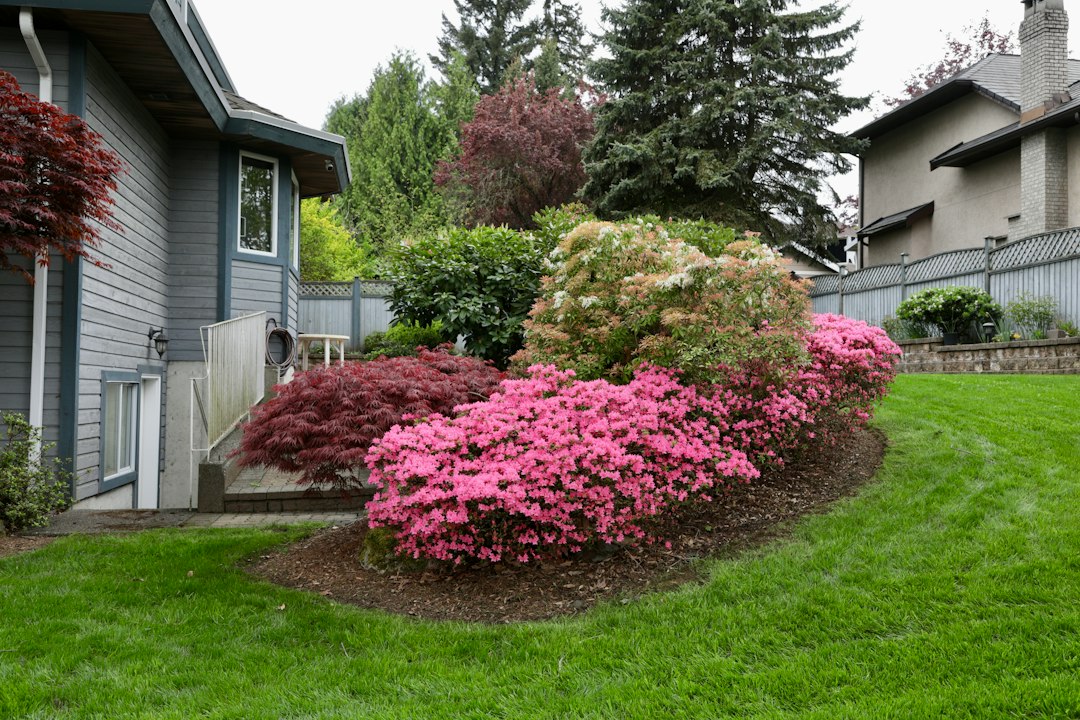
Landscaping is often the first thing a buyer photographs when they arrive. A well-maintained lawn with defined edges, fresh mulch in the beds, and healthy plants communicates care and attention. For Charleston sellers, the goal is a landscape that looks intentional and low-maintenance, not overgrown or high-effort.
Mowing, edging, and mulching should happen within a week of listing photos. Fresh mulch in particular has an outsized visual impact for a modest cost. Flower beds should be weeded and defined, with any dead or struggling plants removed or replaced.
Curb Appeal Tips Specific to Charleston and the Lowcountry
This is where local knowledge matters. The Lowcountry climate, with its heat, humidity, and occasional salt air, requires a different approach to exterior plants and materials than most national guides address.
For landscaping, sellers should lean toward plants that thrive in South Carolina’s coastal conditions. Knockout roses, Indian hawthorn, loropetalum, and ornamental grasses are all visually appealing, drought-tolerant once established, and familiar to local buyers. Liriope and mondo grass work well as border plants along walkways. For color, impatiens and pentas perform well in the heat and add seasonal vibrancy to entry beds.
On the exterior itself, humidity and moisture are the primary enemies of paint adhesion and wood condition. Sellers should inspect fascia boards, window trim, and soffits for signs of moisture damage before listing. In coastal areas, stainless steel or powder-coated hardware holds up better than standard brass or iron. Mold and mildew on siding are common in the Lowcountry and should be treated with a mildew-resistant cleaner before any photography or showings.
Lighting, Hardware, and the Details Buyers Remember
Small details accumulate into an overall impression. Buyers may not consciously note every element, but they will feel the difference between a home that has been thoughtfully maintained and one that has not.
Outdoor lighting serves both function and atmosphere. Pathway lights guide buyers from the driveway to the front door and signal safety. Porch lighting should be bright enough to be welcoming without being harsh. Uplighting trees or architectural features adds drama and dimension, especially for evening showings.
House numbers should be easy to read from the street and updated if they look dated. A new mailbox, matching door hardware, and coordinated exterior light fixtures create a cohesive, polished look. These items typically cost under $200 total and make a noticeable difference in listing photos.
Window and shutter condition is another detail buyers absorb. Dirty windows suggest neglect, and broken screens are a visible red flag. Shutters that are faded, peeling, or misaligned should be repainted or reattached. Clean windows reflect light beautifully in photos and signal a home that has been actively maintained.
Budget-Friendly Curb Appeal Wins Under $500
Sellers do not need to undertake a full exterior renovation to make a strong impression. Several high-impact improvements fall well within a modest budget:
- Power washing the siding, driveway, and walkways (often $150 to $300 for a professional service)
- Fresh mulch in all visible planting beds ($50 to $100 for a typical front yard)
- Painting the front door and shutters ($30 to $80 in paint and supplies)
- New house numbers and a mailbox update ($50 to $120)
- A pair of matching planters with seasonal color flanking the front door ($40 to $80)
- A new welcome mat and coordinated porch accessories ($30 to $60)
- Replacing outdated exterior light fixtures ($60 to $150)
Prioritizing these items before listing photos are taken ensures that every dollar spent is captured in the images buyers will see first.
Exterior Color Choices That Impress Today’s Buyers
Gray exteriors, once dominant, have begun to feel dated. Buyers in 2026 are responding to warmer neutrals, including creamy whites, soft greiges, and warm taupes, which photograph beautifully and feel welcoming rather than cold. Sage green and muted olive have gained traction as alternatives to gray that feel fresh without being trendy.
For a home to look expensive from the curb, the key is contrast and cohesion. A crisp white or off-white body with dark trim in charcoal, black, or navy reads as intentional and high-end. Bold front door colors work best when they complement the body color rather than compete with it. In Charleston’s historic districts and traditional neighborhoods, classic palettes in muted tones tend to resonate with buyers who value architectural authenticity.
Curb Appeal in the Age of Online Listings: Why Photos Are Your First Showing
The majority of home searches begin online, which means the exterior photo at the top of a listing is often the first thing a buyer sees before they ever schedule a showing. That single image is doing enormous work: it either earns a click or loses one.
This changes the calculus for curb appeal improvements. A seller is not just preparing for a buyer to drive by. They are preparing for a buyer to swipe through photos on a phone, decide in seconds whether the home is worth their time, and either click through or move on. Every improvement made to the exterior will be captured in those photos and will work continuously throughout the listing period.
Sellers should schedule listing photography on a clear, bright morning after all exterior work is complete. Cars should be moved from the driveway, trash bins should be out of sight, and any hoses, tools, or outdoor furniture that looks cluttered should be stored. The goal is a clean, unobstructed exterior that reads as spacious and well-maintained in a photograph.
Exterior Red Flags That Can Cost You at Closing
Some exterior issues go beyond aesthetics and can directly affect a buyer’s willingness to proceed, their offer price, or their ability to secure financing. Sellers should be aware of these red flags before listing:
- Peeling or bubbling paint on wood surfaces: This can indicate moisture intrusion, which buyers and inspectors take seriously.
- Visible roof damage: Missing shingles, sagging areas, or visible moss signal potential leaks and can trigger lender concerns.
- Cracked or heaving driveways and walkways: Beyond aesthetics, these can be liability concerns that buyers factor into their offer.
- Overgrown vegetation touching the house: Shrubs or trees in contact with the siding or roof create moisture and pest pathways.
- Clogged or damaged gutters: Overflowing gutters leave staining on siding and suggest water management problems.
- Visible mold or mildew on siding: Particularly common in the Lowcountry, this is a visual red flag that buyers often interpret as a bigger issue than it may be.
Addressing these items before listing is not optional for sellers who want to protect their asking price through inspection and appraisal.
Your Pre-Listing Curb Appeal Checklist: What to Do Before You List
Use this checklist as a walkthrough before scheduling listing photos or accepting showings:
Lawn and Landscaping
- Lawn mowed and edged along all borders and walkways
- All planting beds weeded and defined
- Fresh mulch applied to visible beds
- Dead or struggling plants removed or replaced
- Shrubs trimmed and pulled back from the house
- Trees trimmed so they do not overhang the roof
Exterior Surfaces
- Siding power washed and free of mold or mildew
- Paint touched up on trim, shutters, and fascia
- Front door freshly painted or replaced
- Driveway and walkways power washed or sealed
- Roof inspected for visible damage
- Gutters cleaned and properly attached
Details and Hardware
- House numbers visible, clean, and updated
- Mailbox clean or replaced
- Door hardware polished or replaced
- Exterior light fixtures cleaned or updated
- Windows cleaned inside and out
- Screens repaired or replaced
- Shutters repainted and properly aligned
Final Staging
- Welcome mat clean and in good condition
- Planters with fresh seasonal color flanking the entry
- All clutter, hoses, and tools stored out of sight
- Trash bins moved to a non-visible location
- Vehicles moved from driveway before photography
- Pathway lights tested and working
Frequently Asked Questions
What adds the most curb appeal to a home?
A fresh front door, clean landscaping with defined edges and new mulch, and power-washed surfaces consistently deliver the highest visual impact relative to cost. These three elements are what buyers notice first and photograph most often.
How much does curb appeal increase home value?
Research suggests curb appeal improvements can increase a home’s sale price by 7 to 14 percent compared to similar homes with neglected exteriors. In the Charleston market, that can represent a significant dollar difference on a competitive listing.
What color makes a house look expensive?
High-contrast color combinations, such as a warm white or creamy body with dark trim in charcoal or navy, tend to read as polished and intentional. A bold, coordinated front door color adds personality without looking mismatched.
What devalues a house the most from the exterior?
Peeling paint, visible roof damage, overgrown or dead landscaping, and deferred maintenance items like damaged gutters or cracked driveways send the strongest negative signals to buyers. In the Lowcountry, visible mold or mildew on siding is also a common concern.
When should sellers start curb appeal improvements before listing?
Ideally, sellers should begin exterior improvements four to six weeks before their target listing date. This allows time for contractor scheduling, paint to cure, and new plants to establish before photography. Landscaping and power washing should be completed within a week of listing photos.
For sellers in Charleston and Mount Pleasant, improving curb appeal is one of the most direct ways to strengthen a listing before it hits the market. The Lowcountry’s climate and buyer expectations create a specific context that national guides often miss. Working with a local real estate professional who understands what buyers in this market respond to can help sellers prioritize the right improvements and time them strategically. Bryan Crabtree Real Estate provides exactly that kind of guidance, helping sellers prepare their homes to attract serious buyers and achieve strong results in the local market.
Leave a Reply