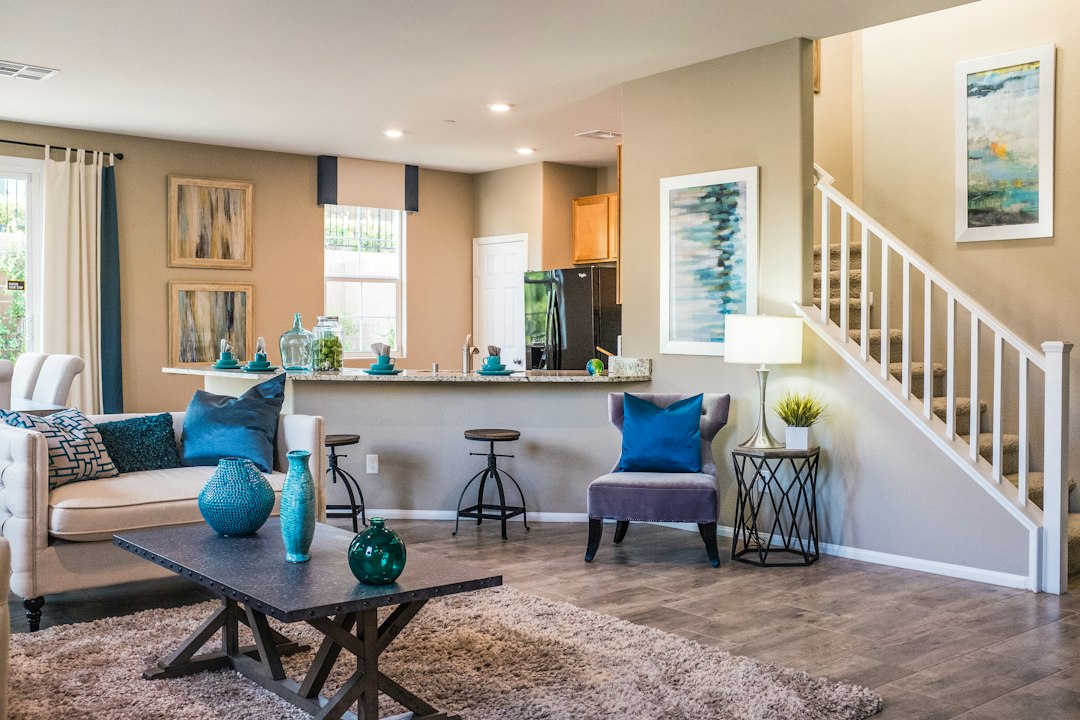
Selling a home in Charleston or Mount Pleasant is an exciting milestone, but the difference between a quick, profitable sale and a listing that lingers often comes down to how well the property shows. Buyers touring a home are making emotional decisions as much as financial ones, and those first few minutes inside the front door carry enormous weight. The good news is that with the right preparation, any seller can create a showing experience that generates genuine excitement and competitive offers.
These home showing tips are designed specifically for Lowcountry sellers who want to attract serious buyers, maximize their sale price, and move through the process with confidence. From curb appeal to post-showing feedback, here is what every Charleston-area seller needs to know.
First Impressions Start at the Curb: Exterior Prep
Before a buyer ever steps through the front door, they have already formed an opinion. Curb appeal sets the emotional tone for the entire showing, and in Charleston’s competitive market, it can be the deciding factor between a buyer who walks in eager and one who drives away skeptical.
Start with the basics: mow the lawn, edge the walkways, trim overgrown shrubs, and pull any visible weeds from flower beds. Power washing the driveway, walkway, and exterior siding makes an immediate visual difference and signals that the home has been well maintained. In the Lowcountry, where humidity and moisture can leave green algae streaks on concrete and siding, this step is especially important.
Charleston-style homes often feature inviting front porches, and staging that space pays dividends. A clean porch with a simple rocking chair, a potted fern or two, and a fresh welcome mat creates a warm, livable impression. Palmetto plantings, native grasses, and low-maintenance coastal landscaping communicate that the home fits its environment. Do not overlook small details like the mailbox, house numbers, and exterior light fixtures. Replacing a rusted mailbox or a burnt-out porch light costs very little but communicates a great deal.
Deep Clean and Declutter Before Every Showing
One of the most consistent home showing tips from experienced agents is deceptively simple: clean homes sell faster. Buyers are not just evaluating square footage; they are imagining their lives in the space. Clutter and dirt make that mental leap much harder.
Decluttering should happen room by room before the home even hits the market. In the kitchen, clear countertops of everything except one or two intentional items, like a fruit bowl or a coffee maker. In bedrooms, remove excess furniture and personal items to make the space feel larger. Closets should be organized and no more than two-thirds full, because buyers will open them. Bathrooms should be hotel-clean: counters clear, towels fresh, and toiletries stored out of sight.
Odor control deserves special attention in the Lowcountry. Charleston’s heat and humidity can amplify pet smells, cooking odors, and the musty scent that creeps into homes with poor ventilation. Before listing, consider having carpets professionally cleaned, running a dehumidifier in any damp areas, and checking for mildew near windows and in crawl spaces. During showings, avoid cooking strong-smelling foods the morning of a tour. A subtle, neutral scent from a reed diffuser or a lightly scented candle is far more appealing than a heavy air freshener that makes buyers wonder what is being masked.
Let the Light In: Maximizing Natural Light
Bright homes feel larger, cleaner, and more welcoming. Before every showing, open every blind, pull back every curtain, and let in as much natural light as possible. Charleston homes, particularly those with southern or eastern exposure, can benefit from beautiful natural light that makes rooms glow during morning and midday showings.
Replace any dim or burned-out bulbs with bright, warm-white LED options. Under-cabinet lighting in the kitchen and accent lamps in darker corners can dramatically change how a room feels. If the home has a water view, marsh view, or even a pleasant backyard, make sure window treatments are fully open to showcase that feature. Buyers pay a premium for Lowcountry views, and blocking them with closed blinds is a missed opportunity.
Set the Right Temperature and Ambiance
South Carolina summers are no joke. A home that feels stuffy or warm during a showing will leave buyers uncomfortable and distracted, no matter how beautifully it is staged. Set the thermostat to a cool, comfortable temperature before buyers arrive, typically around 72 to 74 degrees in summer. In the cooler months, a slightly warmer setting creates a cozy, inviting atmosphere.
Beyond temperature, consider the overall sensory experience. Soft, neutral background music at a low volume can make the showing feel more relaxed without being intrusive. Avoid anything loud, polarizing, or too personal in taste. The goal is to create an environment where buyers feel at ease and can focus on the home itself.
Depersonalize and Stage Each Room Strategically
Buyers need to be able to picture themselves living in the home, and that is genuinely difficult when the walls are covered in family photos or the shelves are lined with personal collections. Removing personal photographs, religious items, political memorabilia, and bold or niche décor is one of the most impactful steps in preparing a house for sale.
Once the home is depersonalized, staging becomes about highlighting the space itself. In the living room, arrange furniture to create a natural conversation area and leave clear pathways. In the master bedroom, use crisp, neutral bedding and a few simple decorative pillows. In the kitchen, a bowl of fresh fruit and a vase of flowers can add warmth without clutter.
Many Charleston and Mount Pleasant homes feature distinctive architectural details worth highlighting: exposed beams, heart pine floors, shiplap walls, or large screened porches. Stage around these features rather than covering them up. Buyers in the Lowcountry often pay a premium for authentic Southern character, and showcasing those details can be a significant differentiator.
Leave the Home During Showings
This is one of the most important and most frequently ignored home showing tips: sellers should not be present during showings. When sellers are home, buyers feel like guests rather than potential owners. They rush through rooms, avoid opening closets, and hesitate to speak honestly with their agent about concerns or excitement.
Sellers should plan to be away for the full duration of each showing, including a buffer of 15 to 30 minutes before and after. Pets should leave with the seller or be transported to a neighbor’s home, a boarding facility, or a crate in an out-of-the-way location. Even buyers who love animals can be distracted or put off by a dog barking or a cat jumping on furniture. Pet odors also need to be addressed aggressively, as they are one of the top buyer complaints.
Before leaving, sellers should secure valuables, prescription medications, personal financial documents, and any irreplaceable items. This is simply good practice regardless of how trustworthy buyers may appear.
What Buyers Are Really Noticing During Your Home Showing
Understanding buyer psychology is one of the most underutilized tools in a seller’s arsenal. Buyers are silently evaluating far more than the listing photos suggested. Here is what is actually going through their minds during a showing:
- The smell of the home registers within seconds of entering. Odors are the fastest deal-killers in real estate.
- The condition of the ceilings and floors signals overall maintenance. Water stains, scuffed hardwood, or cracked tile raise red flags about what else might be neglected.
- Cabinet and closet space gets opened and assessed. Buyers want storage, and overstuffed closets make a home feel inadequate.
- The HVAC system is often checked. Buyers notice if the home is uncomfortably warm, if vents are dusty, or if the unit sounds strained.
- The kitchen and bathrooms receive the most scrutiny. These rooms drive perceived value more than almost any other space.
- Outdoor spaces in Charleston carry extra weight. A screened porch, a shaded backyard, or a well-maintained dock can be the feature that seals the deal.
Showing Your Charleston or Mount Pleasant Home: Lowcountry-Specific Tips
Selling in the Lowcountry comes with a unique set of considerations that no generic home showing guide will address. Here are the regional factors that Charleston and Mount Pleasant sellers need to keep in mind:
Humidity and moisture management: Charleston’s humidity can cause doors to stick, wood floors to creak, and musty odors to develop in basements or crawl spaces. Address these issues before showings begin, and run a dehumidifier in vulnerable areas to keep the home feeling fresh.
Palmetto bugs: These large cockroaches are a fact of life in coastal South Carolina, but a buyer spotting one during a showing can create an outsized negative impression. Treat the home with professional pest control before listing and maintain that treatment throughout the showing period.
Flood zone and tidal flooding disclosures: Buyers in the Charleston area are increasingly aware of flood risk. Having FEMA flood zone documentation, current flood insurance information, and any history of water intrusion organized and readily available demonstrates transparency and builds trust. Trying to hide or minimize these factors will almost always backfire during due diligence.
Seasonal timing: Charleston’s summers bring intense heat and humidity, while spring and fall are prime showing seasons. Sellers listing in summer should ensure the home is exceptionally cool and fresh during showings, and should highlight features like ceiling fans, covered porches, and mature shade trees.
Common Mistakes That Kill Offers After a Showing
Even a beautifully staged home can lose buyers if certain red flags go unaddressed. Deferred maintenance is the most common culprit. Buyers notice peeling caulk around tubs, dripping faucets, cracked switch plates, and sticking doors. These small issues signal neglect and make buyers wonder what larger problems might be lurking behind the walls.
Overpowering scents are another showing killer. Heavy plug-in air fresheners, incense, or strong candles make buyers suspicious. A clean, neutral-smelling home is always preferable to one that has been aggressively scented.
Pricing misalignment can also undermine even the best showing. If buyers walk through a beautifully presented home but feel the price does not match the condition or the neighborhood, they will move on without making an offer. This is where working with an experienced local agent becomes critical.
How to Schedule and Manage Showings Like a Pro
Showing logistics matter more than most sellers realize. Setting clear showing windows, such as Monday through Saturday from 9 a.m. to 7 p.m., gives buyers and their agents enough flexibility to schedule tours without overwhelming the seller. Restricting showings too tightly can result in missed opportunities, especially with buyers who are relocating to the Charleston area and have limited availability.
Using a lockbox managed through the local MLS allows buyer’s agents to access the home conveniently while keeping the seller informed of every showing. An electronic lockbox also tracks entry times, which can be useful for following up on feedback. Sellers should aim to confirm showing requests within 30 minutes and avoid canceling unless absolutely necessary, as repeated cancellations can signal problems to buyer’s agents.
Coordinating with an experienced agent like Bryan Crabtree ensures that showing requests are handled professionally, feedback is collected consistently, and the home is always presented in the best possible light.
How a Great Showing Can Directly Impact Your Sale Price
There is a direct connection between showing quality and final sale price that does not get discussed nearly enough. Homes that show beautifully generate more buyer interest, more competing offers, and ultimately higher sale prices. Homes that show poorly, even if priced correctly, tend to sit on the market longer, which leads to price reductions and weaker negotiating positions.
Research consistently shows that staged homes sell faster and for more money than their unstaged counterparts. In a competitive market like Charleston and Mount Pleasant, where inventory can be tight and buyers are motivated, a well-prepared home can attract multiple offers and sell above list price. The investment in professional cleaning, minor repairs, and thoughtful staging typically returns several times its cost at closing.
Working With Your Agent to Get Showing Feedback
After each showing, buyer feedback is one of the most valuable tools a seller has. A good agent will follow up with the buyer’s agent within 24 to 48 hours to gather impressions and concerns. This feedback should be taken seriously, even when it stings.
If multiple buyers mention the same issue, whether it is the smell, the dated kitchen, or the price, that is actionable information. Bryan Crabtree’s approach to selling Lowcountry homes includes systematic feedback collection and honest conversations about what adjustments, if any, will move the needle. Sometimes the fix is a small staging tweak; sometimes it requires a pricing conversation. Either way, data from real buyers is far more reliable than guessing.
Your Complete Pre-Showing Checklist (Print and Keep)
This quick-reset routine can be completed in 15 minutes or less before each showing. Keep a printed copy on the refrigerator for easy reference:
- Open all blinds and curtains throughout the home
- Turn on all interior lights, including closets and bathrooms
- Set the thermostat to a comfortable temperature (72-74 degrees in summer)
- Make all beds and fluff throw pillows
- Clear kitchen and bathroom countertops
- Empty all trash cans and remove trash from the home
- Wipe down kitchen counters and stovetop
- Clean mirrors and bathroom sinks
- Sweep or vacuum main living areas
- Remove pet food bowls, litter boxes, and pet beds
- Secure valuables and personal documents
- Add a subtle, neutral scent if needed (avoid heavy sprays)
- Stage the front porch: sweep, straighten furniture, water plants
- Turn on soft background music at a low volume
- Leave the home with pets at least 30 minutes before the showing window
Frequently Asked Questions About Home Showings
How do sellers get more views and showings on their house?
Professional photography, accurate pricing, and a well-written listing description are the foundation of generating showing traffic. Flexible showing windows and prompt response to requests also increase the number of tours. In the Charleston market, working with a locally connected agent who actively promotes listings to the buyer’s agent community makes a measurable difference.
What are the biggest red flags buyers notice during a home showing?
Odors top the list, followed by signs of deferred maintenance (water stains, peeling paint, sticky doors), cluttered or dirty spaces, and evidence of pest issues. In the Lowcountry, buyers also pay close attention to signs of moisture intrusion or flooding history.
What are the most common mistakes sellers make during showings?
Staying home during showings, leaving pets out, neglecting odor control, and failing to declutter are the most frequent missteps. Overpricing relative to presentation is another common mistake that leads to showings without offers.
Should the seller be home during a showing?
No. Seller absence is consistently recommended by real estate professionals. Buyers need space to explore freely and discuss the home openly with their agent. A seller’s presence, however well-intentioned, typically shortens tours and reduces the buyer’s emotional engagement with the property.
What should sellers do with pets during a home showing?
Pets should be removed from the home entirely when possible. Options include taking them along, dropping them at a neighbor’s or boarding facility, or using a crate in a low-traffic area. Pet odors and unexpected animal behavior are among the most common buyer complaints, so addressing both the presence and the scent of pets is essential.
Preparing a home for showings is one of the highest-return investments a seller can make. With the right preparation, local expertise, and a strategic approach, Charleston and Mount Pleasant sellers can walk into every showing knowing their home is making the strongest possible impression on every buyer who walks through the door.
Leave a Reply