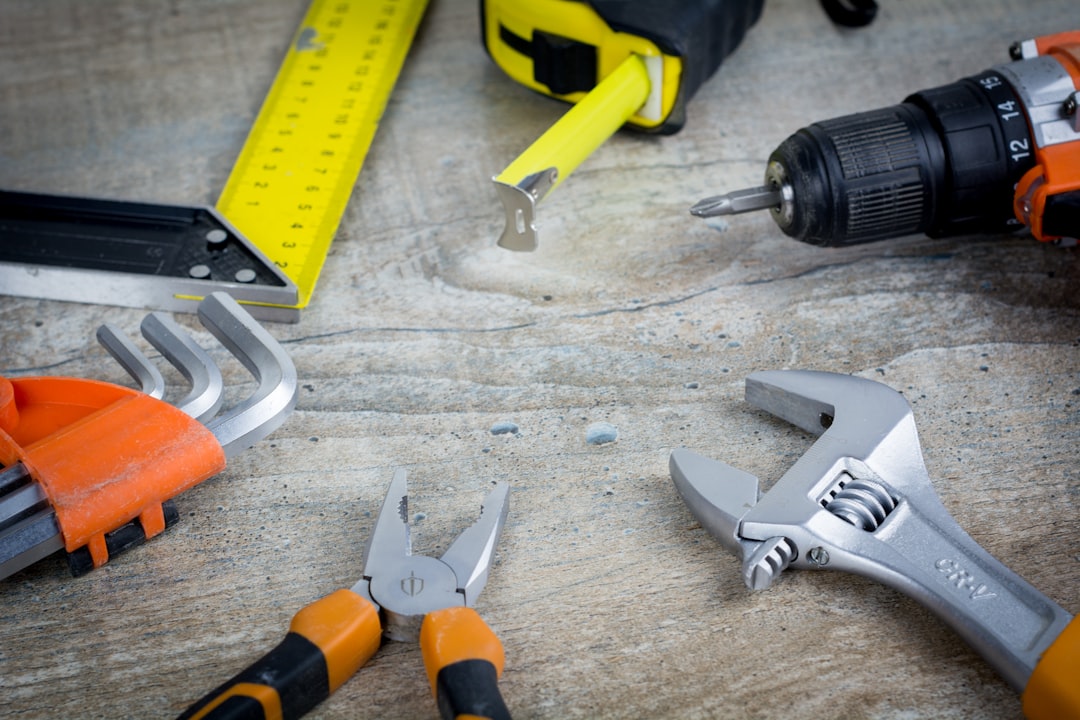
Owning a home in Charleston or Mount Pleasant is one of the most rewarding investments a person can make. The Lowcountry’s beauty, culture, and community make it a place people genuinely love to live. But the same coastal environment that makes this region so special also puts homes under a unique kind of pressure: high humidity, salt air, tropical storms, and the occasional flooding event that can quietly chip away at a property’s condition and value.
A solid home maintenance checklist is not just a to-do list. It is a financial protection strategy. Homes that are consistently maintained hold their value better, sell faster, and attract stronger offers. For homeowners in the Charleston area, staying ahead of maintenance is even more critical because the Lowcountry climate does not forgive neglect the way drier, inland climates might.
This guide covers everything: monthly routines, seasonal home maintenance tasks, Lowcountry-specific considerations, hurricane prep, and how to document maintenance in a way that actually helps when it comes time to sell.
Why Home Maintenance Matters for Charleston and Mount Pleasant Homeowners
The coastal climate here is classified as humid subtropical. That means long, hot, humid summers, mild winters, and a storm season that runs from June through November. Salt air accelerates corrosion on metal components. Humidity feeds mold and wood rot. Heavy rains test drainage systems and foundations. These are not hypothetical risks; they are the everyday reality for Lowcountry homeowners.
From a real estate perspective, the condition of a home is directly tied to its value. Buyers in Charleston and Mount Pleasant are savvy. They hire inspectors who look closely at HVAC systems, roofs, crawl spaces, and moisture-related damage. A home with deferred maintenance will almost always receive a lower offer, face costly repair negotiations, or sit on the market longer than comparable properties that have been well maintained.
Consistent upkeep is how homeowners protect their equity and position themselves for a strong sale when the time comes.
Lowcountry-Specific Maintenance: What Charleston Homeowners Must Do Differently
Generic home maintenance guides written for national audiences miss the mark for Lowcountry homeowners. Here is what makes maintaining a home in this region different:
- Salt air corrosion: Metal components, including HVAC units, fasteners, gutters, and door hardware, corrode faster near the coast. Homeowners should rinse exterior HVAC units with fresh water monthly and inspect metal hardware twice a year.
- Humidity and mold risk: Indoor humidity should be kept between 40 and 60 percent. Crawl spaces are especially vulnerable. A dehumidifier in the crawl space and a quality vapor barrier are not optional in this climate; they are essential.
- Flooding and drainage: Many areas of Charleston and Mount Pleasant are low-lying. Proper grading around the foundation, functioning downspouts, and clear drainage paths are critical to preventing water intrusion.
- Pest pressure: Termites and other wood-destroying insects are significantly more active in the Lowcountry than in most of the country. Annual termite inspections and a current treatment plan are strongly recommended.
- Hurricane and storm exposure: South Carolina coastal homeowners face real storm risk every year. This requires specific prep that most generic checklists completely ignore (covered in detail below).
Monthly Home Maintenance Checklist
Monthly tasks are the foundation of a good home upkeep routine. These checks take very little time but prevent the kind of small problems that grow into expensive repairs.
- Replace or inspect HVAC filters (every 30 to 90 days depending on filter type; in Charleston’s high-humidity environment, monthly checks are wise)
- Test smoke detectors and carbon monoxide detectors
- Check water pressure and look under sinks for signs of leaks
- Inspect the garbage disposal and run it with cold water and ice to clean the blades
- Rinse the exterior HVAC condenser unit with fresh water to remove salt and debris
- Check for signs of pest activity, especially along baseboards, in the garage, and near the crawl space access
- Run water in any guest bathrooms or infrequently used fixtures to prevent drain odors and trap evaporation
- Check fire extinguisher pressure gauge
Seasonal Home Maintenance Checklist
Spring: Storm Prep and Exterior Inspection
Spring in the Lowcountry is beautiful but brief, and it arrives alongside the beginning of severe weather season. Spring is the time to reset after winter and prepare for the heat and storms ahead.
- Clean gutters and downspouts after winter debris accumulation
- Inspect the roof for any shingles that shifted or cracked over winter
- Check exterior caulking around windows, doors, and penetrations
- Schedule a professional HVAC service before summer cooling demand peaks
- Inspect the crawl space for moisture, mold, or pest activity
- Check grading around the foundation to ensure water drains away from the home
- Test irrigation systems and outdoor hose bibs
- Inspect window screens and replace any that are torn
Summer: Cooling Systems and Humidity Control
Summer in Charleston is intense. HVAC systems run almost continuously, and indoor humidity can spike quickly if something goes wrong.
- Monitor indoor humidity levels and adjust dehumidifier settings if needed
- Check HVAC condensate drain lines for clogs (a common cause of water damage in summer)
- Inspect attic ventilation to ensure heat is escaping properly
- Clean bathroom exhaust fans and range hood filters
- Check the refrigerator door seals and clean the condenser coils
- Inspect the dryer vent for lint buildup
- Begin hurricane season prep (see dedicated section below)
Fall and Winter: Weatherproofing and System Checks
Charleston winters are mild compared to much of the country, but temperatures do drop, and cold snaps can affect pipes and heating systems that rarely get used.
- Flush the water heater to remove sediment buildup
- Inspect weatherstripping on doors and windows
- Test the heating system before the first cold night
- Clean the fireplace and have the chimney inspected if wood-burning
- Protect outdoor faucets and know where the main water shut-off is located
- Clean gutters again after fall leaf drop
- Check the attic insulation and look for any signs of roof leaks after fall rains
Exterior and Roof Maintenance Tasks
The roof and exterior are a home’s first line of defense against the Lowcountry’s weather. Roof issues are among the most expensive repairs a homeowner can face, and they are also the most scrutinized during a home inspection.
- Inspect shingles annually for curling, cracking, or missing sections
- Check flashing around chimneys, skylights, and vents for gaps or rust
- Look inside the attic for daylight, staining, or moisture that suggests a leak
- Keep gutters clear and ensure downspouts extend at least four feet away from the foundation
- Inspect siding for cracks, rot, or paint failure, especially on the south and west-facing sides
- Recaulk around windows and exterior penetrations every two to three years
- Check deck boards, railings, and fasteners for corrosion or wood rot annually
Indoor Systems: HVAC, Plumbing and Electrical
The systems inside the home are what keep it comfortable and safe. In the Lowcountry, HVAC is the single most-used system in the house and a top concern for buyers.
- Schedule professional HVAC service once or twice a year (spring before cooling season and fall before heating season)
- Clean or replace air filters monthly during peak season
- Flush the water heater annually to extend its lifespan and maintain efficiency
- Test GFCI outlets in bathrooms, kitchens, and garages every six months
- Inspect the electrical panel for signs of heat, corrosion, or tripped breakers
- Check under all sinks and around the base of toilets for slow leaks
- Know the location of the main water shut-off valve and test it to confirm it operates
Yard, Garage and Crawl Space Upkeep
In the Lowcountry, the areas below and around the home matter just as much as the structure itself. Poor drainage and crawl space neglect are leading causes of serious structural damage in this region.
- Check that the soil around the foundation slopes away from the home (at least six inches of drop over ten feet)
- Inspect the crawl space twice a year for standing water, mold, damaged insulation, or pest activity
- Ensure the vapor barrier is intact and covering the entire crawl space floor
- Test the garage door auto-reverse safety feature monthly
- Inspect garage door springs, rollers, and tracks annually
- Keep vegetation trimmed back from the home’s exterior to reduce moisture and pest pathways
Hurricane Season Home Prep Checklist for Lowcountry Homeowners
This is the section most home maintenance guides skip entirely, but for Charleston and Mount Pleasant homeowners, it may be the most important one. Hurricane season runs from June 1 through November 30, and preparation should begin in May.
- Review and update homeowners insurance, including flood coverage (separate from standard policies)
- Photograph every room and major system for insurance documentation
- Inspect and test storm shutters or have plywood cut and labeled for each window
- Secure or store outdoor furniture, grills, and decorations that could become projectiles
- Clear gutters and downspouts before storm season to handle heavy rainfall
- Trim trees and remove dead branches that could fall on the home
- Know the location of the gas shut-off and have the tool accessible
- Keep a generator serviced and fueled, or invest in a whole-home standby generator
- Stock emergency supplies: water, non-perishable food, medications, flashlights, and a battery-powered radio
- Know the local evacuation routes and have a plan in place for pets and family members
- After a storm, inspect the roof, gutters, and exterior before entering if there is any structural concern
The Most Expensive Home Repairs and How Regular Maintenance Prevents Them
Understanding what costs the most helps homeowners prioritize. The most expensive home repairs include roof replacement (typically $10,000 to $25,000 or more depending on size and materials), HVAC system replacement ($5,000 to $15,000), foundation repairs ($5,000 to $50,000 in severe cases), and mold remediation ($3,000 to $30,000). In the Lowcountry, water damage and mold are especially costly because the climate accelerates the problem once it starts.
The good news is that consistent maintenance prevents the majority of these repairs. A roof that is inspected annually and has flashing maintained will last its full 20 to 30 years. An HVAC system that is serviced regularly will perform efficiently for 15 years or more. A crawl space with a proper vapor barrier and dehumidifier rarely develops the mold issues that cost tens of thousands of dollars to remediate.
How a Well-Maintained Home Sells Faster and for More in Charleston
In the Charleston and Mount Pleasant real estate market, condition is a competitive advantage. Buyers who are touring multiple homes quickly develop a sense for which properties have been cared for and which have been neglected. A home that smells fresh, has a clean HVAC system, shows no signs of moisture, and passes inspection cleanly will consistently attract stronger offers.
Home inspections are where deferred maintenance becomes very expensive for sellers. An inspector who finds a failing HVAC system, evidence of roof leaks, or moisture in the crawl space will note all of it in the report, and buyers will use that report to negotiate price reductions or request repairs. Sellers who have maintained their homes consistently avoid most of these surprises.
Documented maintenance history also gives buyers confidence. When a seller can show records of annual HVAC service, recent roof inspection, termite treatment history, and water heater flush dates, it signals that the home has been respected. That confidence translates into smoother transactions and, often, better prices.
How to Keep a Home Maintenance Log (and Why Buyers Care)
A home maintenance log is one of the most underused tools in homeownership. It is simply a record of what was done, when it was done, and who did it. This can be a dedicated notebook, a spreadsheet, or a home management app.
What to record in a maintenance log:
- Date of service or inspection
- Task performed (e.g., HVAC filter replaced, water heater flushed, roof inspected)
- Name and contact information of any contractor used
- Cost of the service
- Any notes about findings or upcoming items to watch
- Copies of receipts, warranties, and inspection reports
When a home goes on the market, this log becomes a selling tool. It shows buyers that the home has been cared for systematically, not reactively. In a competitive market like Charleston, that documentation can be the difference between a buyer who feels confident making a strong offer and one who feels uncertain and holds back.
Most Overlooked Home Maintenance Tasks
Even diligent homeowners tend to skip certain tasks. The most commonly overlooked items include:
- Dryer vent cleaning: Lint buildup in dryer vents is a leading cause of house fires. Clean the vent at least once a year, more often with heavy use.
- Refrigerator coil cleaning: Dusty condenser coils make the refrigerator work harder and shorten its lifespan. Clean them every six to twelve months.
- Exhaust fan cleaning: Bathroom exhaust fans accumulate dust and lose efficiency. A clogged fan contributes to moisture buildup and mold.
- Caulking around tubs and windows: Old or cracked caulk allows water to penetrate behind surfaces, causing hidden damage over time.
- Dishwasher filter cleaning: Most modern dishwashers have a removable filter that should be cleaned monthly.
- Sump pump testing: If the home has a sump pump, pour water into the pit to confirm it activates and drains properly.
When to Hire a Professional vs. DIY
Not every maintenance task requires a licensed contractor, but some absolutely do. Knowing the difference saves money and prevents safety risks.
Tasks most homeowners can handle: replacing HVAC filters, cleaning gutters, caulking windows and tubs, testing smoke detectors, cleaning appliance coils and filters, painting exterior trim.
Tasks that require a licensed professional: electrical panel work, HVAC refrigerant handling, roof replacement, structural repairs, gas line work, and any repair that requires a permit under local building codes.
For homeowners in Charleston and Mount Pleasant, finding reliable local contractors matters. Asking neighbors, checking reviews on local platforms, and working with a real estate professional who has a vetted contractor network are all effective approaches.
Annual and Long-Term Maintenance Planning
The 1% rule is a widely used guideline: homeowners should budget approximately 1% of the home’s value each year for maintenance and repairs. On a $500,000 home, that is $5,000 annually. In the Lowcountry, where coastal conditions accelerate wear, some professionals recommend budgeting closer to 1.5%.
Knowing the typical lifespan of major systems helps with long-term planning:
- Roof (asphalt shingles): 20 to 30 years
- HVAC system: 15 to 20 years
- Water heater (tank): 8 to 12 years
- Water heater (tankless): 20 years or more
- Exterior paint: 5 to 10 years (shorter in coastal areas)
- Refrigerator: 10 to 15 years
- Dishwasher: 9 to 12 years
- Washing machine: 10 to 14 years
Your Complete Home Maintenance Checklist by Frequency
Monthly Tasks
- Inspect or replace HVAC filters
- Test smoke and carbon monoxide detectors
- Rinse exterior HVAC unit with fresh water
- Check under sinks for leaks
- Run garbage disposal with ice and cold water
- Check fire extinguisher pressure gauge
- Monitor crawl space humidity levels
Seasonal Tasks
- Spring: Clean gutters, inspect roof, service HVAC, check crawl space, inspect exterior caulking
- Summer: Monitor humidity, check condensate drain lines, clean exhaust fans, begin hurricane prep
- Fall: Flush water heater, test heating system, clean gutters after leaf drop, inspect weatherstripping
- Winter: Protect outdoor faucets, check attic insulation, inspect fireplace and chimney
Annual Tasks
- Professional HVAC service (spring and fall)
- Roof and attic inspection
- Termite inspection
- Water heater flush
- Dryer vent cleaning
- Electrical panel inspection
- Deck and exterior hardware inspection
- Crawl space inspection
- Refrigerator coil cleaning
- Update home maintenance log
Frequently Asked Questions
What things in a house require the most maintenance?
The systems that require the most consistent attention are the HVAC system, roof, plumbing, and crawl space. In the Lowcountry, moisture-related systems, including vapor barriers, dehumidifiers, and drainage, also demand regular monitoring due to the coastal climate.
What is the most overlooked home maintenance task?
Dryer vent cleaning is consistently the most overlooked task, and it is also one of the most important from a fire safety perspective. Crawl space inspection and refrigerator coil cleaning are close behind.
What is the most expensive part of a house to fix?
Foundation repairs can be the most expensive, sometimes exceeding $50,000 in severe cases. Roof replacement, mold remediation, and HVAC replacement are also among the costliest repairs. All of these can be largely prevented or delayed significantly through consistent maintenance.
What is the 1% rule for home maintenance budgeting?
The 1% rule suggests setting aside 1% of a home’s purchase price each year for maintenance and repairs. For a $500,000 home, that is $5,000 annually. Coastal homeowners may want to budget closer to 1.5% given the accelerated wear from humidity, salt air, and storm exposure.
How does home maintenance affect resale value?
A well-maintained home typically sells faster and for more money than a comparable home with deferred maintenance. Buyers and their inspectors look closely at the condition of major systems. Documented maintenance history builds buyer confidence and reduces the likelihood of costly repair negotiations during the sale process.
For homeowners in Charleston and Mount Pleasant who are thinking about selling now or in the future, connecting with a local real estate professional who understands how home condition affects valuation is one of the smartest steps they can take. A knowledgeable agent can help identify which maintenance investments will have the greatest impact on sale price and buyer appeal in today’s Lowcountry market.
Leave a Reply