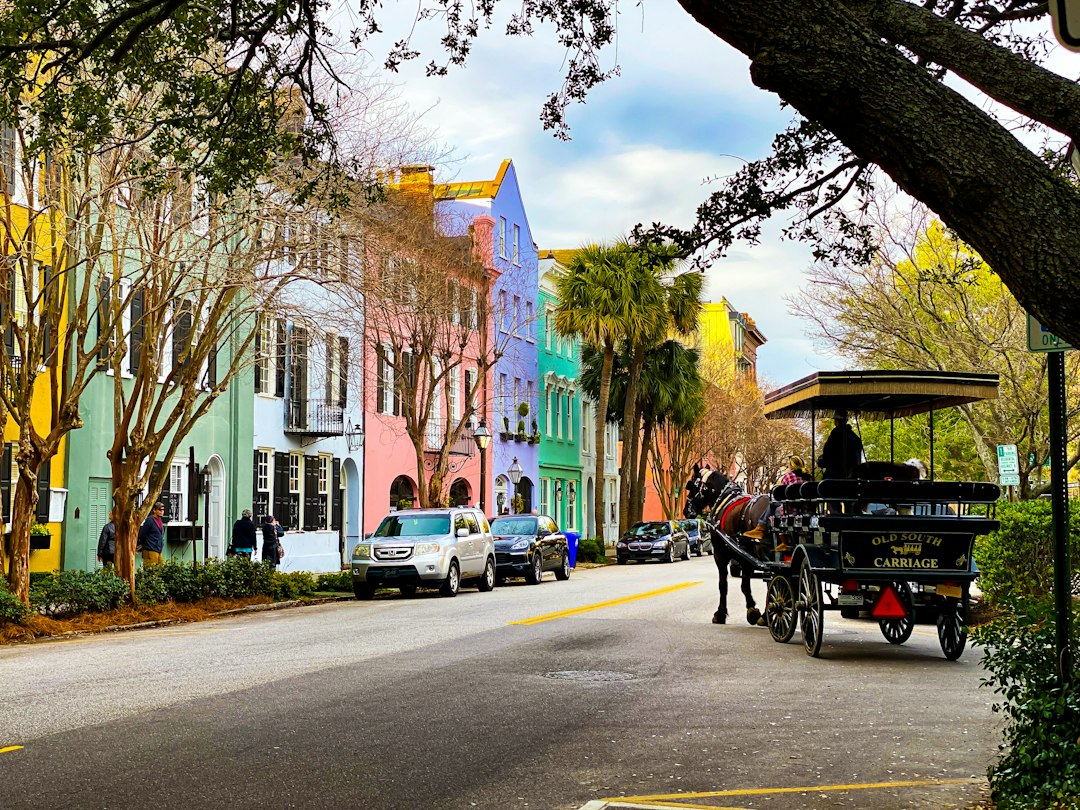
Charleston, South Carolina is one of those rare American cities where history is not confined to a museum. It lives in the cobblestones underfoot, in the pastel facades lining narrow streets, and in the harbor where so much of the nation’s story unfolded. For visitors, exploring the historic sites in Charleston is simply a great way to spend a weekend. For those considering a move to the Lowcountry, it is something more: a window into the character, culture, and long-term value of the neighborhoods they are evaluating.
This guide covers the landmarks every first-time visitor should see, the hidden gems locals quietly love, and the real estate context that makes Charleston’s history directly relevant to anyone thinking about buying a home here.
Why Charleston’s Historic Sites Matter to Homebuyers and Residents
Charleston’s history is not a backdrop. It is a defining feature of daily life, and that distinction matters enormously to the people who choose to live here. Neighborhoods built around preserved architecture, working waterfronts, and walkable streets tend to attract buyers who value authenticity, and that sustained demand supports property values over time.
Proximity to Charleston landmarks like the Battery, Rainbow Row, and Fort Sumter consistently ranks among the top lifestyle factors cited by buyers relocating to the Lowcountry. For families, retirees, and young professionals alike, living within reach of these places signals something about the quality of life on offer. Understanding how these sites connect to specific neighborhoods is one of the most practical things a prospective homebuyer can do before making an offer.
Fort Sumter and the Harbor: Where Charleston’s Story Begins
No list of Charleston history attractions would be complete without Fort Sumter National Monument. The site where the first shots of the Civil War were fired sits in the middle of Charleston Harbor, accessible only by ferry. Boats depart from Liberty Square at the Charleston Waterfront Park and from Patriots Point in Mount Pleasant. Tickets should be booked in advance, especially between March and October when demand peaks. The round trip takes approximately two and a half hours, including time on the island.
On the island itself, visitors walk through the ruins of the original fort, explore a small but well-curated museum, and take in panoramic views of the harbor and the Charleston skyline. The National Park Service rangers lead interpretive programs that place the Civil War’s opening moments in broader national context.
After the ferry returns, the neighborhoods surrounding the departure points are worth exploring. The area near Liberty Square connects directly to the South of Broad district and the French Quarter, both of which rank among the most sought-after addresses in the city.
The Historic District on Foot: A Walkable Tour of Downtown Charleston
The Charleston Peninsula rewards slow exploration. A logical walking route might begin at Rainbow Row on East Bay Street, the iconic stretch of Georgian row houses painted in shades of pink, yellow, and coral. From there, the Battery sits just a few blocks south, offering sweeping views of the harbor and a collection of antebellum mansions that line White Point Garden.
Heading north, the French Quarter neighborhood contains some of the city’s most atmospheric streets, including Chalmers Street with its original cobblestones and the Dock Street Theatre, which claims the distinction of being the first building in America designed specifically for theatrical performances.
The Aiken-Rhett House on Elizabeth Street deserves special attention. Unlike many house museums that have been heavily restored, this antebellum property was preserved largely as it was found, including intact slave quarters in the rear yard. Managed by the Historic Charleston Foundation, it offers one of the most honest and unvarnished looks at 19th-century Charleston life available anywhere in the South.
Walkability in this district is a genuine driver of buyer demand. Residents can reach restaurants, galleries, parks, and historic landmarks without a car, and that lifestyle premium is reflected in home prices throughout the Peninsula.
Plantations and Gardens: Middleton Place, Boone Hall, and McLeod
The plantation sites surrounding Charleston each interpret history through a different lens, and the distinctions matter for visitors choosing where to spend their time.
Middleton Place, located in West Ashley about fourteen miles from downtown, is perhaps best known for its formal landscape gardens, which are the oldest surviving such gardens in the United States. The site also includes a working stableyards area and museum house, and in recent years has significantly expanded its interpretation of the enslaved people whose labor built and maintained the property.
Boone Hall Plantation in Mount Pleasant is the most recognizable of the three, partly because its Avenue of Oaks has appeared in numerous films and television productions. Boone Hall offers a broader range of visitor programming, including living history demonstrations and seasonal events. Its Gullah culture presentations are among the most accessible introductions to that heritage available in the region.
McLeod Plantation Historic Site on James Island takes the most direct interpretive approach to slavery and its legacy. Managed by Charleston County Parks, the site centers the experiences of enslaved and formerly enslaved people, making it an essential stop for anyone seeking a full understanding of Charleston’s past and the African-American history that is inseparable from it.
Each of these sites sits within or adjacent to residential communities that attract buyers for different reasons. West Ashley’s proximity to Middleton Place appeals to buyers seeking a quieter, more suburban feel with easy access to nature. Mount Pleasant’s connection to Boone Hall fits naturally with that community’s family-oriented neighborhoods and strong school options.
Museums and Cultural Institutions Worth Your Time
The Gibbes Museum of Art on Meeting Street anchors the cultural life of downtown Charleston. Its permanent collection focuses on Southern art and includes portraits, landscapes, and decorative works spanning three centuries. The museum hosts rotating exhibitions and community programming throughout the year, making it a consistent draw for residents and visitors alike.
For those interested in African-American heritage, the Charleston’s African-American History and Heritage Walking Tour provides essential context that no single museum can fully capture. The tour connects sites across the Peninsula, including the Old Slave Mart Museum on Chalmers Street, one of the few remaining slave auction buildings in the country.
Across the Ravenel Bridge in Mount Pleasant, Patriots Point Naval and Maritime Museum is home to the USS Yorktown, a decommissioned aircraft carrier that visitors can board and explore. The museum also includes a Vietnam Experience exhibit and several other historic vessels. For buyers considering Mount Pleasant, Patriots Point is one of several amenities that make that community particularly appealing to families and veterans.
Hidden Gems and Lesser-Known Historic Sites in Charleston
Beyond the well-documented landmarks, Charleston rewards the curious with a collection of lesser-known sites that locals tend to cherish.
Old Sheldon Church Ruins, located about an hour north of Charleston near Yemassee, are among the most hauntingly beautiful historic sites in South Carolina. The roofless tabby walls of this 18th-century church, draped in Spanish moss and surrounded by ancient oaks, make for an unforgettable visit. Most tourists never make it there, which is exactly why locals keep recommending it.
Cypress Gardens in Moncks Corner, about thirty miles north of the city, offers a completely different experience: a blackwater swamp navigated by flat-bottomed boat, surrounded by towering cypress trees. The property was once part of a rice plantation, and the gardens were created in the 1920s from the abandoned rice reservoir.
Closer to the city, the Powder Magazine on Cumberland Street is the oldest public building in the Carolinas, dating to 1713. It is small, easy to miss, and genuinely fascinating. Similarly, the Heyward-Washington House on Church Street, where George Washington stayed during his 1791 Southern tour, offers a more intimate house museum experience than some of the larger sites.
These off-the-beaten-path sites often sit in or near neighborhoods that are themselves underappreciated. Areas like Wagener Terrace and North Central Charleston have been attracting buyers who want the character of an older Charleston neighborhood without the price premium of South of Broad.
Historic Neighborhoods to Live In: Where History Meets Home
South of Broad is the most storied residential address in Charleston, a quiet enclave of grand antebellum homes, walled gardens, and streets lined with live oaks. Property values here are among the highest in the city, and inventory is limited. Buyers in this neighborhood are typically purchasing a piece of architectural history as much as a home.
Harleston Village, just north of Broad Street, offers a slightly more accessible entry point into Peninsula living without sacrificing the historic character. The neighborhood is walkable, architecturally diverse, and close to MUSC and the College of Charleston.
Wagener Terrace on the Upper Peninsula has emerged as a favorite among younger buyers and families who want older homes with genuine character at prices that are more attainable than the lower Peninsula. The neighborhood borders Hampton Park and is within easy reach of the North Charleston arts corridor.
What Historic District Designation Means When You Buy a Home in Charleston
This is one of the most important things prospective buyers need to understand before purchasing a historic home in Charleston, and it is a topic that rarely gets explained clearly.
Much of the Peninsula and several surrounding areas fall within designated historic districts overseen by the Board of Architectural Review (BAR). The BAR reviews proposed changes to the exterior of buildings within these districts, including window replacements, additions, paint colors, and demolition. The goal is to preserve the architectural character that makes Charleston distinctive, but the practical implication for buyers is that renovation projects require additional approval steps that can add time and cost to a project.
This does not mean historic homes are a bad investment. In fact, the BAR’s oversight tends to protect the long-term value of properties in these districts by preventing incompatible development. But buyers should go in with a clear understanding of what they can and cannot change, and they should work with a real estate professional who knows how to navigate these requirements in Charleston specifically.
Historic tax credits and preservation incentives may also be available depending on the property and the scope of planned work, which can offset some renovation costs for buyers willing to do the research.
How Living Near Charleston’s Historic Sites Affects Property Values
Research consistently shows that proximity to historic landmarks and cultural amenities supports home values, and Charleston is a textbook example of this dynamic. Neighborhoods within walking distance of the Battery, Rainbow Row, and the French Quarter command significant premiums over comparable properties further from the historic core.
This is not simply about aesthetics. Historic districts tend to attract a concentration of high-quality restaurants, independent retailers, cultural institutions, and public spaces. That density of amenity creates a lifestyle that buyers are willing to pay for, and it tends to sustain demand even during broader market slowdowns.
For buyers in Mount Pleasant, proximity to Patriots Point and the Ravenel Bridge, which connects directly to the Peninsula’s historic district, is a meaningful factor in neighborhood desirability. Communities like Old Village in Mount Pleasant carry their own historic designation and command prices that reflect that status.
Historic Sites by Neighborhood: Where to Explore and Where to Live
Mapping Charleston’s historic sites to specific residential neighborhoods helps buyers see the city as a collection of distinct communities rather than a single destination.
- South of Broad and the Battery: White Point Garden, Rainbow Row, the Nathaniel Russell House. Residential character: grand historic homes, quiet streets, very limited inventory.
- French Quarter and Ansonborough: Dock Street Theatre, Gibbes Museum, Old Slave Mart. Residential character: mixed condos and single-family homes, walkable, close to King Street dining.
- Harleston Village: Aiken-Rhett House, College of Charleston campus. Residential character: diverse architectural styles, strong rental market, good walkability.
- Wagener Terrace and North Central: Hampton Park, access to the Powder Magazine. Residential character: bungalows and cottages, growing restaurant scene, more affordable entry points.
- West Ashley: Middleton Place, Charles Towne Landing State Historic Site. Residential character: suburban neighborhoods, larger lots, strong family appeal.
- Mount Pleasant: Patriots Point, Boone Hall Plantation, Old Village. Residential character: family-oriented, excellent schools, range of price points from starter homes to waterfront estates.
- James Island: McLeod Plantation. Residential character: laid-back, close to Folly Beach, increasingly popular with buyers priced out of the Peninsula.
Use Your Historic Site Visit to Scout Your Next Neighborhood
One of the most underrated strategies for homebuyers relocating to Charleston is treating a historic site visit as a dual-purpose trip. Walking through the French Quarter to reach the Gibbes Museum tells a buyer something about foot traffic, parking availability, and the mix of residents and tourists in that part of the city. Driving out to Boone Hall gives a sense of the pace and character of Mount Pleasant’s residential streets along the way.
Buyers who take carriage tours, guided walking tours, or even the haunted history tours that depart from the Market area often find that they come away with a much clearer sense of which neighborhoods feel right for them. Companies like Palmetto Carriage Works and several walking tour operators offer routes that move through multiple neighborhoods, giving participants an organic sense of how the city is laid out and how different areas feel at street level.
This approach also surfaces practical information: how busy are the streets on a Saturday morning? Is there a grocery store within walking distance? What does the parking situation look like at different times of day? These are exactly the questions a buyer should be asking, and a historic site visit is a natural way to gather that data without it feeling like homework.
Planning Your Visit: Practical Tips for Exploring Charleston’s Past
A few practical notes for anyone planning to explore Charleston’s historic sites:
- Fort Sumter ferry tickets sell out during peak season. Book at least a week in advance between March and October.
- The walkable historic district is best explored in the morning before temperatures climb in summer months. Spring and fall offer the most comfortable conditions.
- Plantation sites generally require two to three hours each. Visiting more than one in a day is possible but tiring. Prioritize based on interest: Middleton Place for gardens, Boone Hall for living history programming, McLeod for a more reflective interpretive experience.
- Parking on the Peninsula is limited and can be expensive. Visitors staying in or near downtown are better served by walking or using ride-share services for most historic district exploration.
- Many historic sites offer free or reduced admission on specific days. The Gibbes Museum, for example, has offered free admission on certain evenings. Checking current policies before visiting is always worthwhile.
Quick Comparison: Charleston’s Top Historic Sites at a Glance
| Site | Location | Approximate Cost | Time Needed | Best For |
|---|---|---|---|---|
| Fort Sumter National Monument | Charleston Harbor (ferry from Liberty Square or Patriots Point) | $25-$30 per adult (ferry included) | 2.5-3 hours | Civil War history, harbor views |
| Aiken-Rhett House | Downtown Peninsula | $12-$15 per adult | 1-1.5 hours | Antebellum architecture, slavery history |
| Middleton Place | West Ashley (14 miles from downtown) | $28-$35 per adult | 2-3 hours | Gardens, landscape history |
| Boone Hall Plantation | Mount Pleasant | $28-$32 per adult | 2-3 hours | Gullah culture, living history |
| McLeod Plantation | James Island | $10-$15 per adult | 1.5-2 hours | African-American history, Reconstruction era |
| Patriots Point Naval Museum | Mount Pleasant | $27-$32 per adult | 2-3 hours | Naval history, families, veterans |
| Gibbes Museum of Art | Downtown Peninsula | $15-$20 per adult | 1-2 hours | Southern art, cultural programming |
| Old Sheldon Church Ruins | Near Yemassee (1 hour north) | Free | 30-45 minutes | Photography, off-the-beaten-path exploration |
| Cypress Gardens | Moncks Corner (30 miles north) | $10-$15 per adult | 1.5-2 hours | Nature, swamp boat tours, families |
Admission prices are approximate and subject to change. Visitors should confirm current rates directly with each site before planning their trip.
Frequently Asked Questions
What are the best historical sites to visit in Charleston?
Fort Sumter, the Battery, Rainbow Row, the Aiken-Rhett House, Middleton Place, and Patriots Point are consistently ranked among the top charleston history attractions. For a more complete picture of the city’s past, McLeod Plantation and the Old Slave Mart Museum are essential additions to any itinerary.
What are some hidden gems to explore in Charleston, South Carolina?
Old Sheldon Church Ruins near Yemassee, the Powder Magazine on Cumberland Street, and Cypress Gardens in Moncks Corner are all sites that locals recommend but most visitors overlook. The African-American History and Heritage Walking Tour is another underappreciated experience that covers parts of the Peninsula most tourists never see.
What should I not miss in Charleston, SC?
The Battery and White Point Garden, a ferry trip to Fort Sumter, and a slow walk through the French Quarter are non-negotiable for first-time visitors. The Aiken-Rhett House is the most honest house museum in the city and should not be skipped by anyone seriously interested in Charleston’s history.
What is a must-see in Charleston for history lovers?
History lovers should prioritize Fort Sumter, the Aiken-Rhett House, McLeod Plantation, and the Old Slave Mart Museum. Together, these four sites cover the full arc of Charleston’s history from the colonial era through the Civil War and Reconstruction in a way that no single attraction can accomplish alone.
How does buying a home in a Charleston historic district work?
Buyers in designated historic districts need to understand that exterior changes to their property require approval from the Board of Architectural Review (BAR). This applies to things like window replacements, additions, and paint colors. Working with a local real estate professional who has experience navigating historic district transactions is strongly recommended.
Charleston’s historic sites are more than tourist attractions. They are the reason this city draws the kind of buyers and residents who invest in their communities for the long term. Whether someone is planning a first visit or evaluating neighborhoods for a potential move, understanding the history embedded in each part of Charleston is one of the most useful things they can do. The landmarks, the neighborhoods, and the real estate market are all part of the same story.
Leave a Reply