A federal appeals court recently upheld the Army Corps of Engineers permit that green-lights one of the most ambitious real estate projects in South Carolina history. The ruling clears the way for a master-planned community on Charleston’s Cainhoy Peninsula that could eventually bring up to 18,000 new homes to the Lowcountry. For anyone buying, selling, or simply watching the Charleston real estate market, this decision carries real consequences worth understanding before making a move.
What Is the Cainhoy Peninsula and Why Does It Matter?
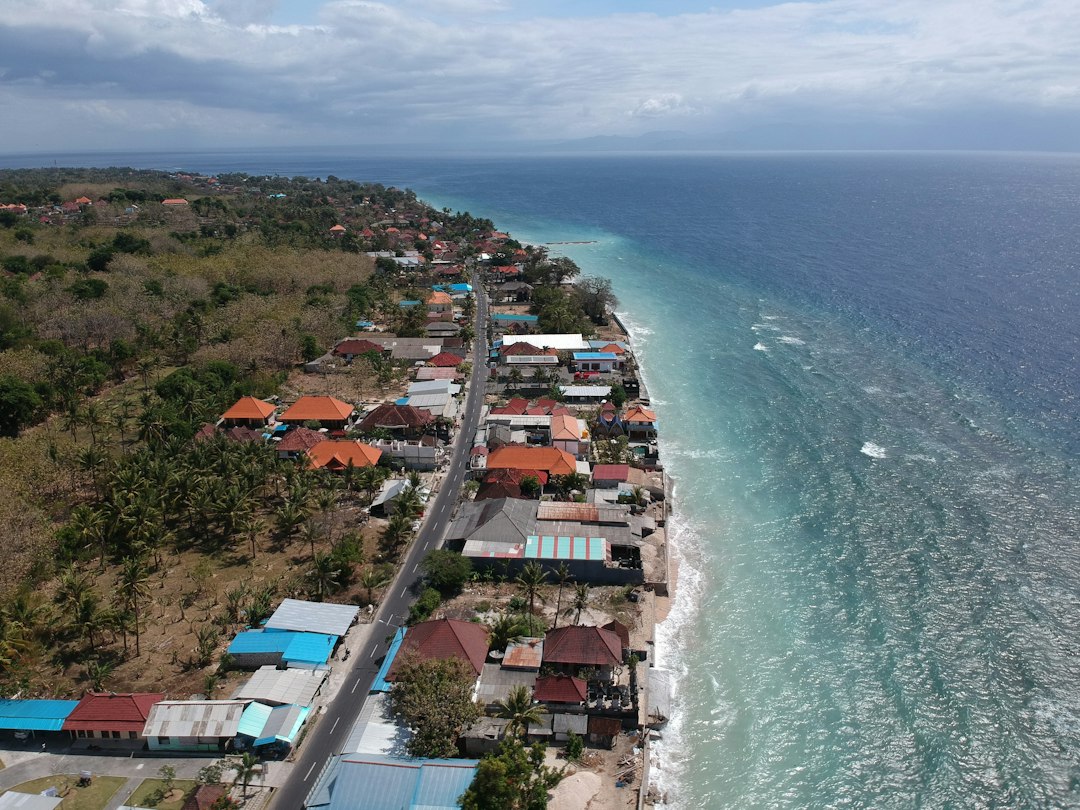
The Cainhoy Peninsula sits northeast of downtown Charleston, tucked between the Wando and Cooper rivers in Berkeley County. It is accessible primarily via Clements Ferry Road, which connects the peninsula to Mount Pleasant to the south and Daniel Island to the west. Despite its proximity to one of the Southeast’s most desirable metro areas, the peninsula has remained largely undeveloped for decades, defined by marshland, forested wetlands, and rural character.
That is about to change in a significant way. The approved Planned Unit Development (PUD) envisions a community of 12,000 to 18,000 residential units, substantial commercial space, and somewhere between 700 and 900 boat docks. In terms of scale, this project is effectively a small city being built from scratch on the edge of the Charleston metro. For context, the entire city of Summerville, South Carolina, has a population of roughly 60,000 people. A fully built-out Cainhoy development would approach that scale on its own.
What the Federal Appeals Court Actually Decided
The legal journey behind this development stretches back to 2014, when Berkeley County approved the original PUD. Developers then sought a Section 404 wetland dredging permit from the Army Corps of Engineers, which was granted after an environmental review process. Conservation groups, led by the Southern Environmental Law Center, challenged that permit, arguing that the Corps failed to adequately weigh the environmental costs of filling and dredging wetlands on the peninsula.
The federal appeals court disagreed. The court upheld the Army Corps permit, denied the request for an injunction to halt construction, and ruled that the agency had followed proper procedure in its environmental assessment. While environmental advocates argue that significant ecological concerns remain unresolved, the legal pathway for construction is now clear. Developers can move forward without further court-ordered delays.
How Big Is This Development, and What Gets Built?
The numbers here are worth sitting with for a moment. Up to 18,000 homes across a single peninsula represents one of the largest residential developments in South Carolina history. The project includes a mix of single-family homes, townhomes, and multi-family units, alongside retail and commercial space designed to create a largely self-contained community.
Infrastructure is part of the plan as well, with road improvements along Clements Ferry Road and internal road networks intended to move residents through the development. Hundreds of boat docks reflect the peninsula’s waterfront character and its appeal to Lowcountry buyers who prioritize water access. Build-out will happen in phases over many years, meaning the full impact on the market will unfold gradually rather than all at once.
Environmental Concerns: Wetlands, Sea Level Rise, and Flood Risk
The court ruling does not erase the environmental concerns that conservation groups raised throughout the legal process. The Cainhoy Peninsula contains significant wetland acreage, and the approved dredging permits allow for the filling of some of those wetlands to make way for construction. Critics argue that wetlands in the Lowcountry serve as natural buffers against flooding and storm surge, and their loss increases vulnerability for the broader region.
Sea level rise is an additional layer of concern. Projections for the Charleston area suggest continued and accelerating sea level rise over the coming decades, which raises legitimate questions about the long-term resilience of low-lying coastal development. These are not abstract concerns for future homebuyers; they translate directly into flood zone designations, insurance costs, and property values.
Flood Zones, Insurance Costs, and What Lenders Will Require on the Peninsula
Prospective buyers considering Cainhoy Peninsula properties need to understand that much of the area falls within FEMA-designated flood zones. Properties in Special Flood Hazard Areas (Zone AE or VE) require flood insurance as a condition of most mortgage approvals. That insurance, obtained through the National Flood Insurance Program (NFIP) or private carriers, adds a meaningful cost layer that buyers often underestimate.
Flood insurance premiums in coastal South Carolina can range from several hundred to several thousand dollars annually depending on the property’s elevation, flood zone designation, and construction type. Buyers should request an elevation certificate for any Cainhoy Peninsula property and factor that insurance cost into their monthly housing budget before making an offer. Lenders will require it, and it is not optional.
Is Charleston Still Growing? What the Numbers Mean for Your Real Estate Decision
Charleston consistently ranks among the fastest-growing metropolitan areas in the Southeast. The region has attracted significant corporate relocations, a booming tech and logistics sector, and steady in-migration from higher-cost markets in the Northeast and Midwest. Population growth in the Charleston metro has outpaced the national average for years, and that demand pressure has kept home prices elevated even as interest rates fluctuated.
The Cainhoy development is, in many ways, a direct response to that growth. The region simply does not have enough housing to meet demand at current price points, and a project of this scale is designed to address that gap. For buyers, more supply over time means more options. For sellers, understanding when that supply hits the market is critical to timing decisions well.
What This Means for Charleston’s Housing Market
Adding tens of thousands of units to a metro area does not happen overnight, but the long-term supply implications are real. As Cainhoy phases come online over the next decade or more, the Charleston market will see meaningful additions to inventory. This is particularly relevant in the mid-range and upper-mid price tiers where new master-planned communities typically compete.
In the near term, the announcement itself signals to the market that significant new supply is coming. Buyers who are patient may find more choices and less competition as phases deliver. Sellers who are considering listing in the next several years should be aware that new construction competition will intensify, particularly in neighborhoods that draw a similar buyer profile to Cainhoy.
Can the Roads and Schools Handle It? Infrastructure Reality Check for Cainhoy
This is the question that many news outlets have skipped over, and it matters enormously for buyers. Clements Ferry Road is currently a two-lane road in many stretches, and it already experiences congestion during peak hours. Accommodating 18,000 new homes will require substantial road widening, intersection improvements, and potentially new connector routes. Some of those improvements are planned, but the timeline for infrastructure often lags behind the pace of residential construction.
Schools present a similar challenge. Berkeley County School District will need to plan for thousands of additional students as families move into the peninsula. New school construction takes years and significant public funding. Buyers with school-age children should research current capacity and planned school construction before committing to a purchase in the area. Utilities, including water, sewer, and stormwater management, are also being planned but will require ongoing investment to keep pace with growth.
Thinking About Buying Near Cainhoy? Here’s What to Check First
For buyers actively considering a home on or near the Cainhoy Peninsula, a few due diligence steps are essential before moving forward:
- Request a flood zone determination and elevation certificate for any specific property. Do not assume that newer construction is automatically outside a flood zone.
- Get flood insurance quotes before going under contract. The cost should be factored into affordability calculations from the start.
- Ask about the phasing timeline for the development surrounding any new construction purchase. Living next to an active construction site for years affects quality of life and short-term resale potential.
- Review HOA documents carefully. Master-planned communities typically come with homeowners association fees that can be substantial, and those fees may increase as amenities are built out.
- Evaluate commute times realistically. Drive the route to work during peak hours before buying, not just on a Saturday afternoon. Clements Ferry Road congestion is a real factor.
- Compare new construction pricing against nearby resale options in Mount Pleasant, Hanahan, and North Charleston. New does not always mean better value, especially when builder incentives fluctuate.
How Cainhoy’s Development Affects Home Values in Surrounding Neighborhoods
For sellers in Mount Pleasant, North Charleston, Hanahan, and other adjacent communities, the Cainhoy development introduces a new competitive dynamic. As new construction inventory comes online at various price points, resale homes in nearby neighborhoods will face more direct competition for buyers who might otherwise have had fewer choices.
The strategic response for sellers is not panic but preparation. Homes that are well-maintained, priced accurately, and positioned to highlight what new construction cannot offer (established neighborhoods, mature landscaping, known school districts, shorter commutes to certain employment centers) will remain competitive. Sellers who work with an experienced local agent to price precisely and market strategically will be best positioned to move quickly before additional inventory accumulates.
Timing also matters. Sellers who list in the earlier phases of the Cainhoy build-out will face less competition than those who wait until thousands of new homes are actively on the market. Watching development milestones and adjusting listing timelines accordingly is a smart strategy for homeowners in surrounding communities.
Frequently Asked Questions About Cainhoy Peninsula Development
Where exactly is the Cainhoy Peninsula?
The Cainhoy Peninsula is located northeast of downtown Charleston in Berkeley County, bordered by the Wando and Cooper rivers. It is accessible via Clements Ferry Road and sits near Daniel Island and the northern edge of Mount Pleasant.
Will this development affect property taxes region-wide?
Large-scale development generally expands the tax base over time, which can help offset per-household tax burdens. However, the infrastructure costs associated with serving thousands of new homes can also put pressure on county budgets in the short term. Property owners in Berkeley County should monitor local budget discussions as the project progresses.
Is Charleston still growing rapidly?
Yes. The Charleston metro continues to rank among the fastest-growing regions in the Southeast, driven by corporate relocations, population in-migration, and strong job market fundamentals. That growth is a primary driver behind projects like the Cainhoy Peninsula development.
What does the Cainhoy development mean for home prices in Charleston?
Over the long term, increased supply tends to moderate price growth. However, because this development will phase in over many years and demand remains strong, dramatic price drops in the broader Charleston market are unlikely. The more nuanced impact will be felt in specific price ranges and neighborhoods that compete most directly with Cainhoy’s new inventory.
Working With a Local Expert Makes All the Difference
Developments of this scale reshape local real estate markets in ways that take years to fully understand. For buyers and sellers navigating the Charleston and Mount Pleasant market right now, having a knowledgeable local guide is not just helpful, it is essential. Bryan Crabtree Real Estate brings deep expertise in the Lowcountry market, from neighborhood-level pricing insights to flood zone navigation and new construction evaluation. Whether a buyer is considering a Cainhoy Peninsula property or a seller is trying to time a listing in Mount Pleasant, working with an expert who understands the full picture leads to better decisions and better outcomes.
Leave a Reply